EMBERBLOSSOM HOney Co.
PENNSYLVANIA HONEY
Our Bees
The tiny workers behind every jar of EmberBlossom Pennsylvania Honey.
Honey bees, scientifically known as Apis mellifera, are vitally important pollinators for many food crops and flowering plants. Every hive is a living community, working together to raise young bees, gather nectar and pollen, build beeswax comb, and create the honey we harvest with care.

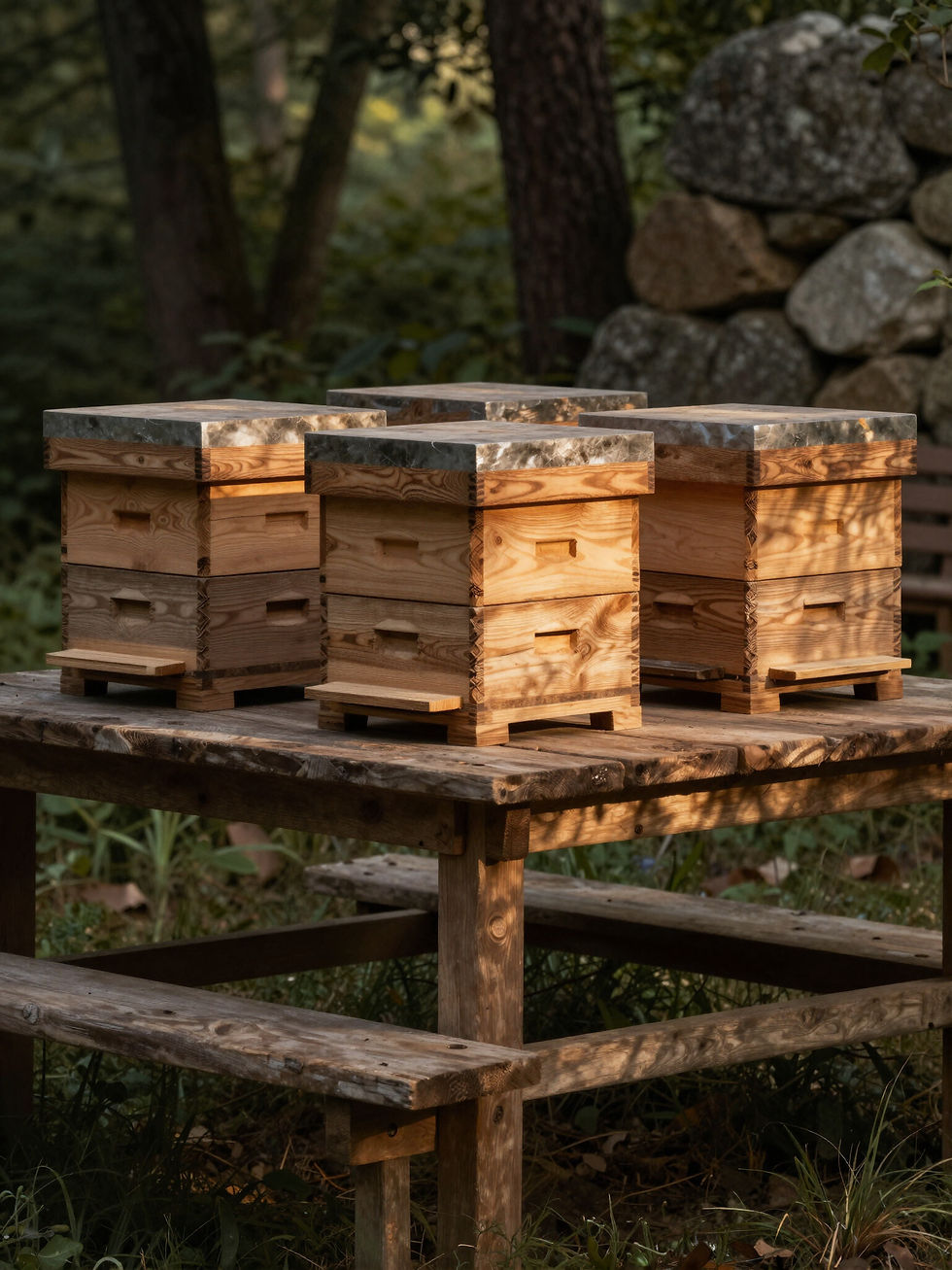
The Bees We Care For
In the fields of Pennsylvania, our honey begins with the bees we steward and the land they forage. Our colonies come from Italian honey bee lines that have been here in Pennsylvania for several queen generations, giving them time to adapt to the local seasons, blooms, and climate. Known for their steady temperament and strong honey production, these bees are the heart of EmberBlossom, gathering nectar from the fields, forests, gardens, and seasonal flowers around our apiaries.
We care for our colonies with a simple goal: healthy bees, thoughtful management, and honey that reflects the place it comes from. From the hive boxes across our property to the jars we bottle in small batches, every step is handled with respect for the bees and the work they do. Their labor shapes every harvest, giving each jar its own natural color, flavor, and character from the Pennsylvania landscape.
- Natural forage: We keep our hives near diverse native blooms to ensure a healthy, varied diet.
- Small-batch care: Each hive is checked by hand with patience and respect for the colony's space.
- Winter protection: We leave enough of their own honey in the hives to keep them strong through cold PA winters.
- No harsh chemicals: We use organic methods to keep our bees healthy and our honey truly raw.
Bee Basics
The Queen
The mother of the hive. A strong queen can lay up to 1,500 eggs a day during peak season.

Worker Bees
Female bees that clean cells, feed young, build wax, forage, and make honey.

Drones
Male bees whose main role is to mate with a queen to ensure hive survival.

Summer Colony
A strong hive can contain 40,000 to 60,000 bees during the height of summer.
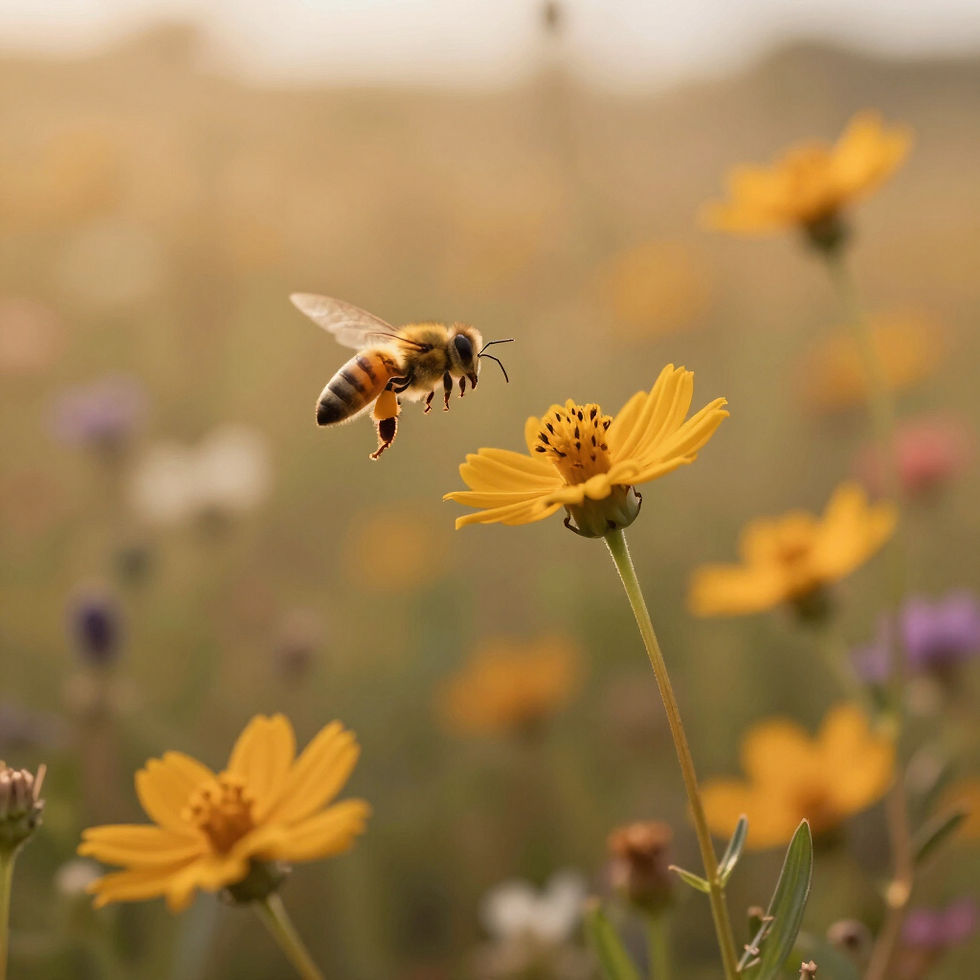
Flower Trips
A honey bee typically visits 50 to 100 flowers during one collection trip.

Tiny Lifetime
The average worker bee may make only about 1/12 teaspoon of honey in her lifetime.
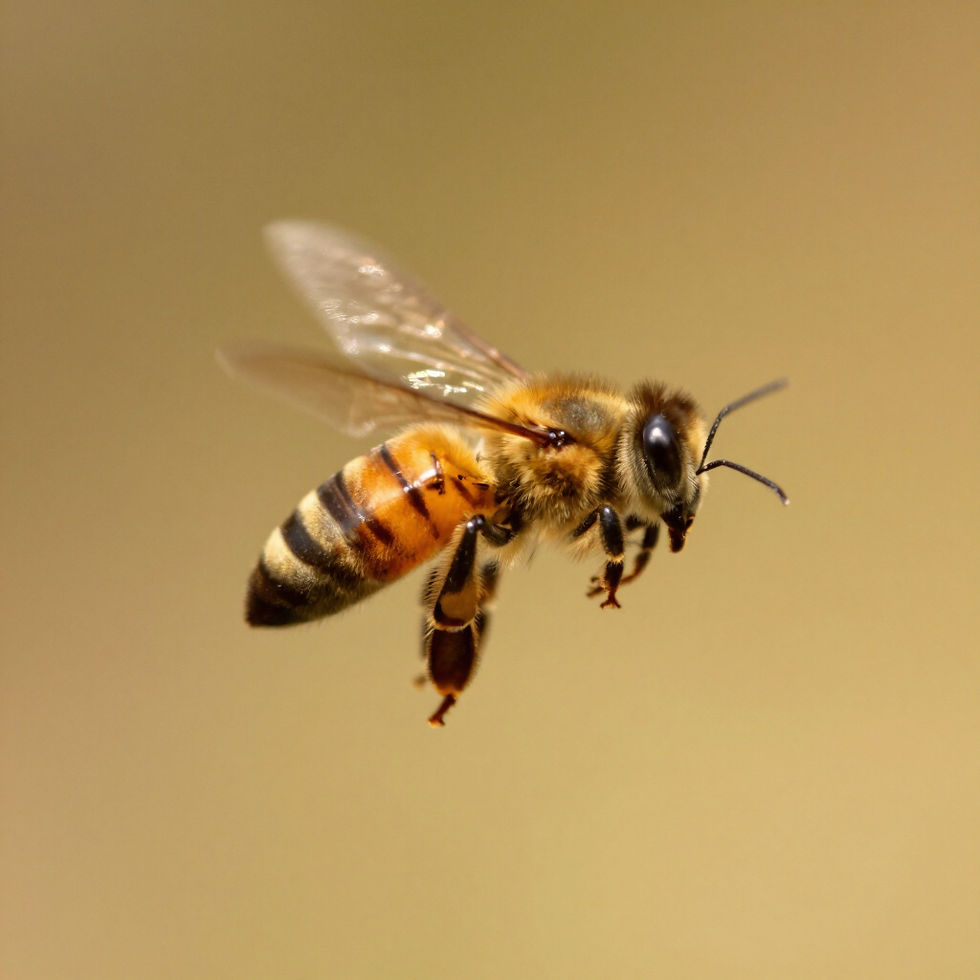
Flight
Honey bees are swift flyers, capable of reaching speeds up to 15 miles per hour.

Buzz
A honey bee’s wings beat thousands of times per minute, creating their familiar buzz.
Life Cycle of a Honey Bee
Queen Bee
- Egg – 3 days
- Larva – about 5.5 days
- Cell capped – around day 8
- Adult emerges – about day 16
Worker Bee
- Egg – 3 days
- Larva – about 6 days
- Cell capped – around day 9
- Adult emerges – about day 21
Drone Bee
- Egg – 3 days
- Larva – about 6.5 days
- Cell capped – around day 10
- Adult emerges – about day 24
Worker bees live about 6 to 8 weeks in spring and summer, but winter bees can live for several months.

Honey
One of the most well-known gifts bees give us, made from flower nectar and carefully stored in beeswax comb. It is a natural sweetener with a rich flavor that reflects the blooms, seasons, and land around the hive. For us, every jar of Pennsylvania Honey is a small taste of the bees’ hard work.
The Goodness Bees Give Us

Beeswax
Produced by worker bees and used to build the beautiful comb that holds honey, pollen, and developing young bees. Beyond the hive, beeswax is valued for candles, balms, soaps, wraps, and natural handmade goods. It is a reminder that bees create more than honey, they build the very foundation of the hive.
Safety note: Honey should never be given to children under 1 year old. People with allergies to pollen or bee products should use caution with honey, propolis, royal jelly, and bee pollen.
Honey and other bee products have been valued for generations, but they should be enjoyed responsibly and not treated as cures.

Propolis
Propolis is a sticky plant resin bees collect from trees and buds to seal, protect, and strengthen the hive. Often called “bee glue,” it helps bees close small gaps and keep their home defended from outside threats. It is one of the many ways bees show how resourceful and protective a colony
can be.
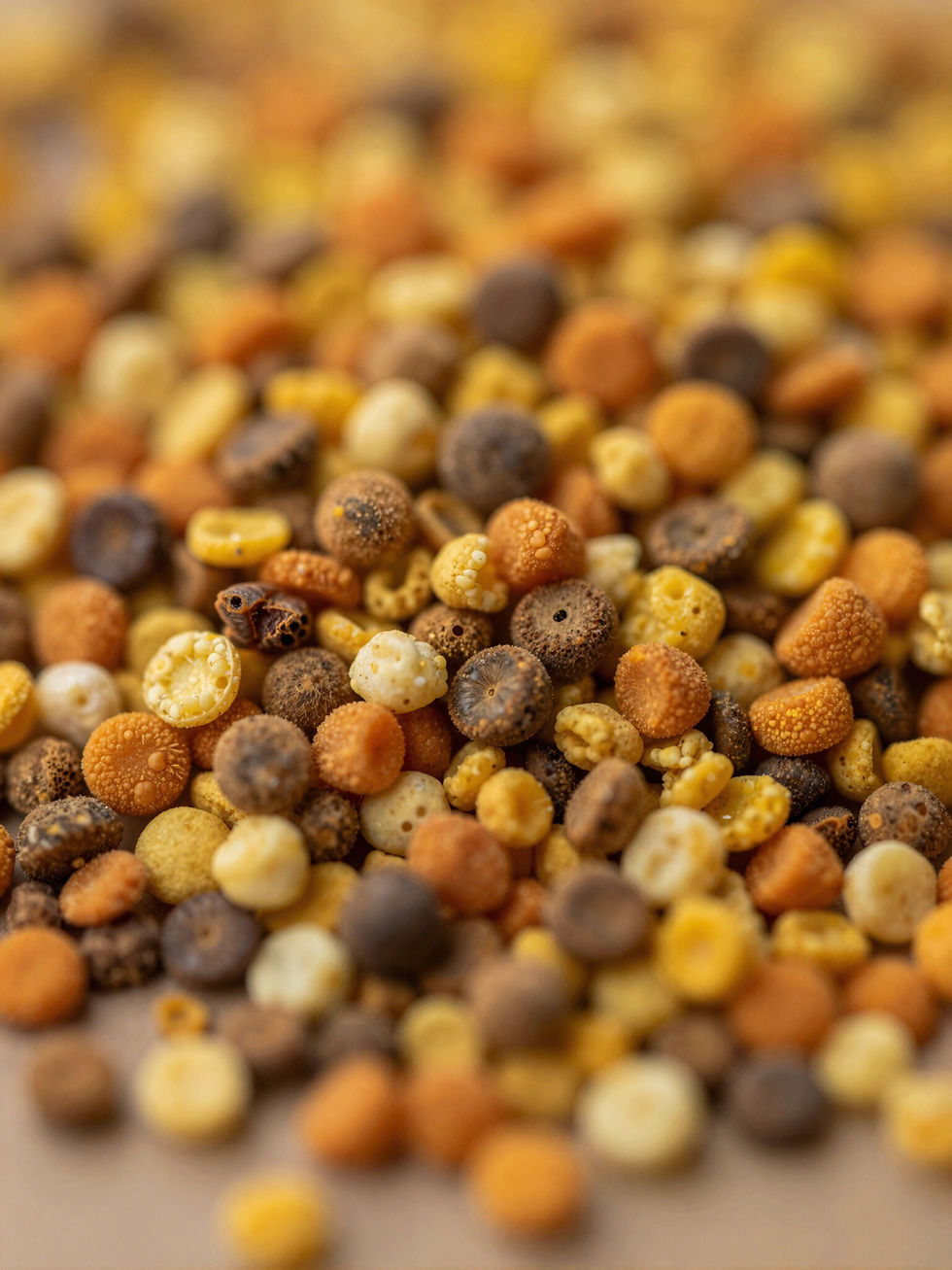
Bee Pollen
Gathered from flowers and carried back to the hive, bee pollen is an important food source for the colony. It provides protein and nutrients that help bees raise healthy young and keep the hive strong. Every colorful pellet of pollen tells the story of where the bees have traveled.
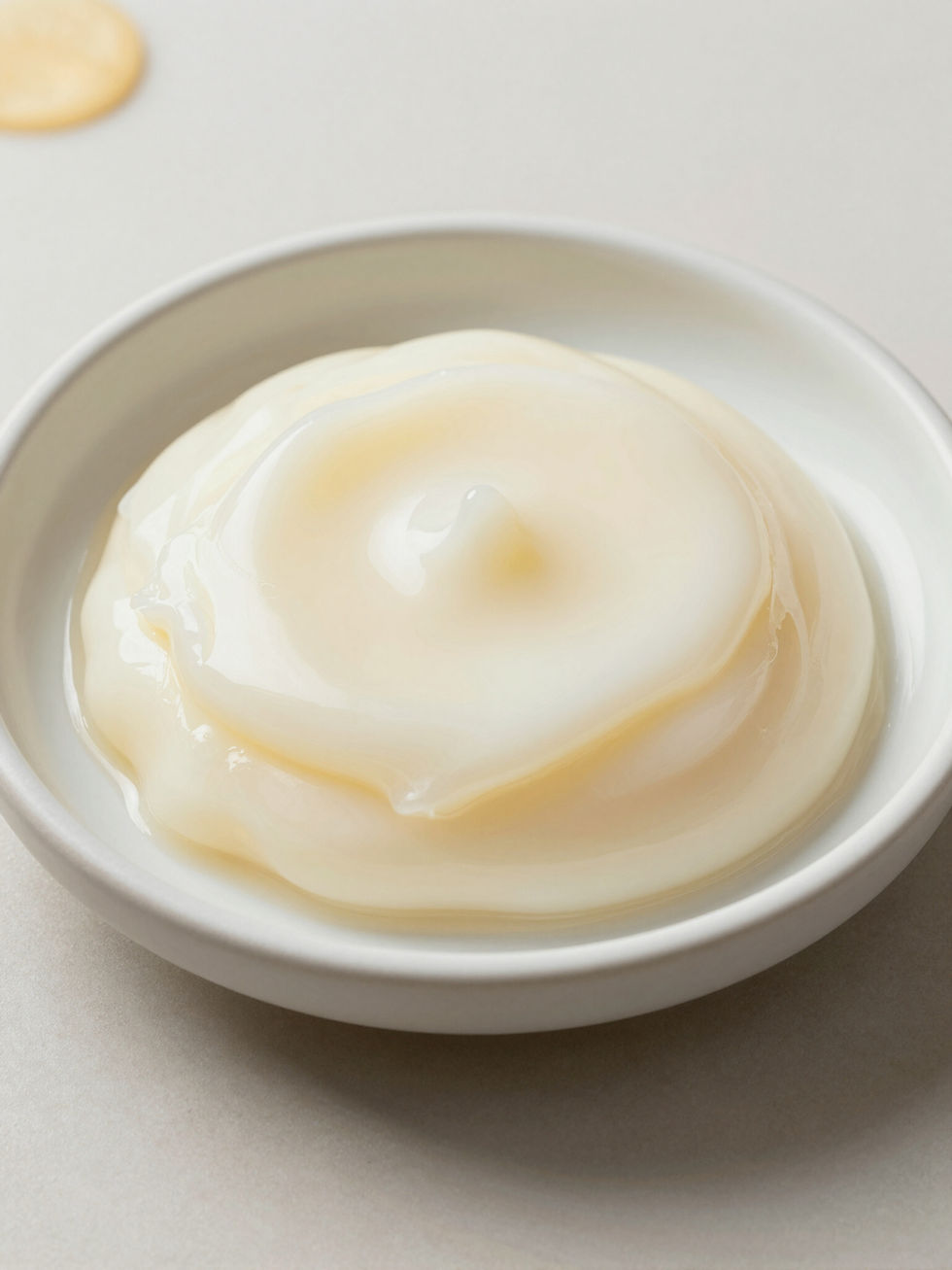
Royal Jelly
A special food made by worker bees and fed to developing larvae, especially future queens. It plays an important role in the life of the hive and helps support the growth of new generations. Like so much of what bees create, royal jelly shows the care, organization, and teamwork inside a colony.
Did you know?
Honey bees must consume about 8 pounds of honey to produce
about 1 pound of beeswax.
Did you know?
There are more than 300 unique types of honey in the United States alone, and honey is produced in every state. Light-colored honey is usually milder, while darker honey often has a stronger flavor.
Flowers Bees Prefer
Honey bees are generalist foragers, but they prefer flowers with good nectar and pollen rewards.
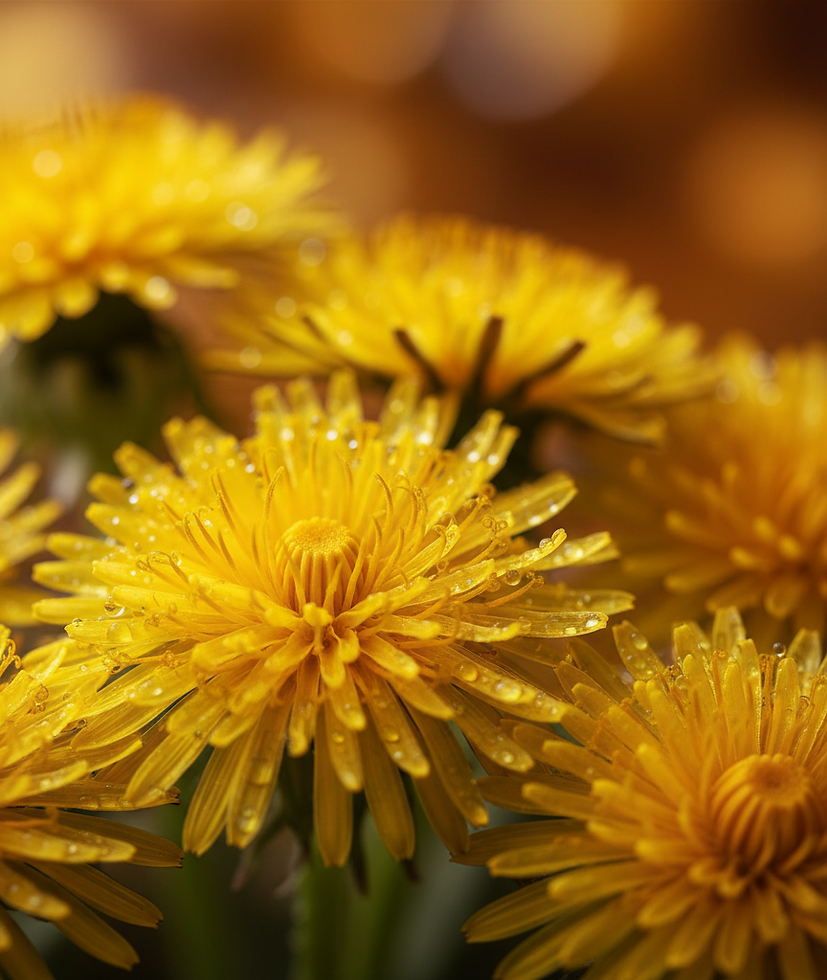
Early Spring
maple, willow, dandelion, fruit blossoms

Late Spring & Early Summer
black locust, tulip poplar, clover, berry blossoms

Summer
milkweed, bee balm, mountain mint, herbs, wildflowers
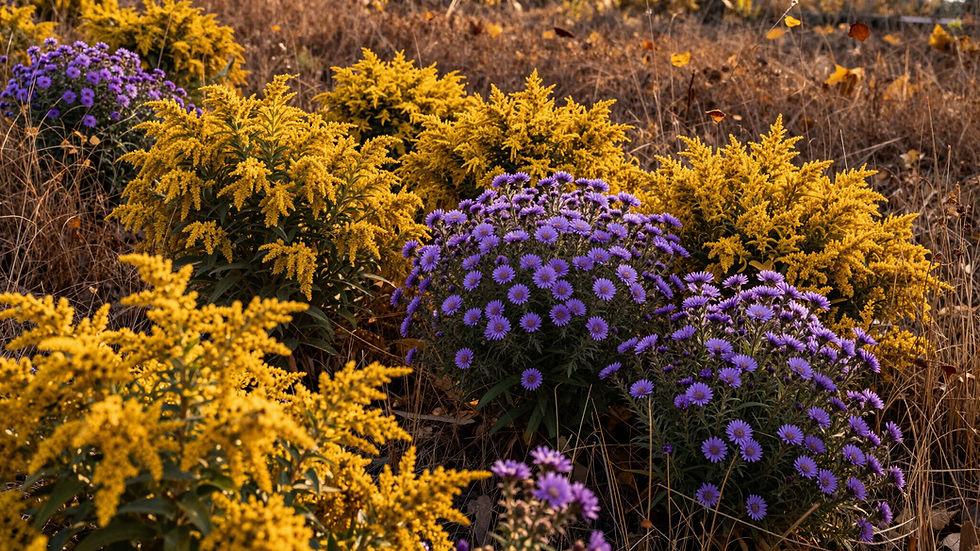
Late Summer & Fall
goldenrod, asters, knotweed, late blooming native plants

When Our Honey Flows Happens
Early Spring
The colony builds strength and raises brood.
Main Spring Flow
Nectar is abundant and strong hives can fill comb quickly.
Summer Slowdown
Heat and dry weather can reduce nectar.
Fall Flow
Goldenrod, asters, and late flowers help bees prepare for winter and may produce darker, stronger flavored honey.
Exact timing changes each year depending on weather, rainfall, bloom timing, and hive strength.
The Honey Harvest

Honey production depends on local weather patterns, available forage, colony strength, swarming behavior, pests, and the critical amount of honey the bees need to survive the winter.
A healthy hive can produce a surprising amount of honey, but every season is different. Some hives may produce little or no harvestable honey in a difficult year, while strong colonies in a good location can produce much more. We always leave the bees what they need first.
Production Fact
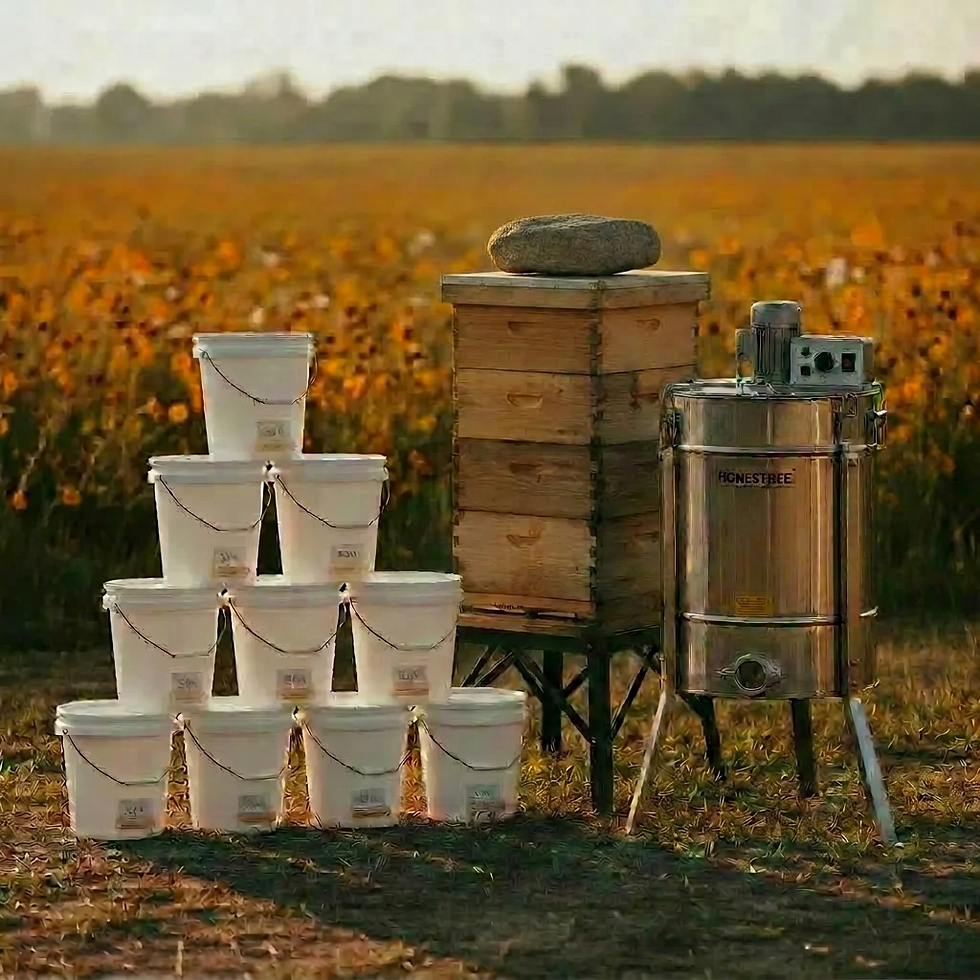
Typically, a productive colony yields 50 to 80 pounds of surplus honey each year. In ideal conditions with plentiful local forage, strong hives can exceed 100 pounds while keeping enough stores to thrive through the winter.
What Threatens Honey Bees?
Modern honey bees face many pressures from environmental factors, parasites, and land-use changes. Beekeepers work hard to manage these risks and support colony health through careful monitoring, sustainable management practices, and seasonal interventions. Understanding these threats is the first step toward effective conservation.

Varroa Mites
Varroa mites are one of the most serious threats honey bees face. These tiny parasites attach to bees and developing brood, weakening them by feeding on their fat bodies and spreading harmful viruses through the colony. If left unmanaged, varroa mites can cause a hive to decline quickly, especially heading into winter. Beekeepers monitor mite levels and use careful treatment plans to help protect the colony.
.jpg)
Small Hive Beetles
Small hive beetles are pests that can move into a hive and cause problems, especially when a colony is weak or stressed. Their larvae can damage comb, ruin stored honey, and create a mess inside the hive. Strong colonies can usually keep beetles under control, but weaker hives may struggle to defend themselves. Good hive management, strong bee populations, and beetle traps can help reduce the damage they cause.
Wax Moths
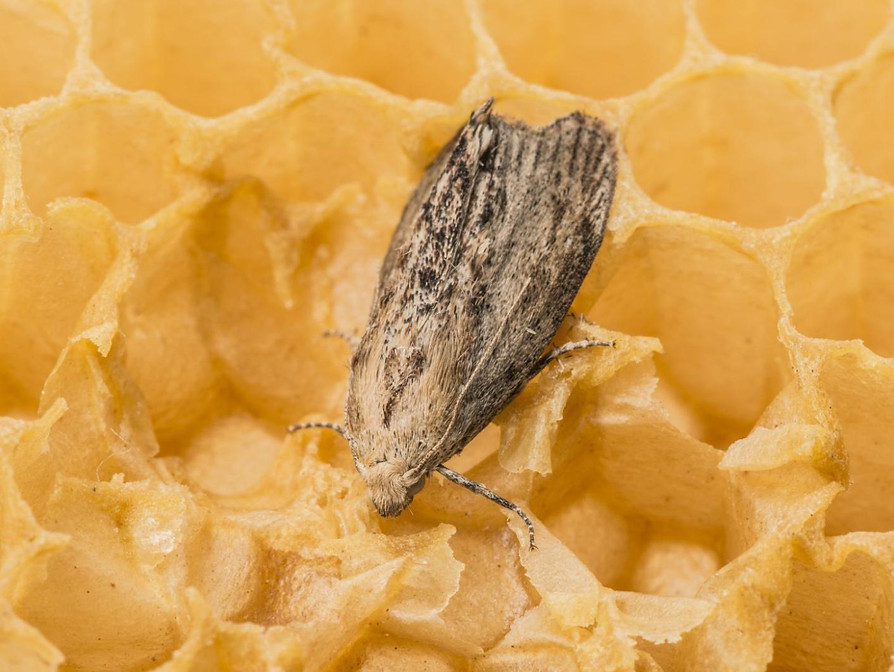
Wax moths are insects that lay eggs in or near beehives, and their larvae tunnel through old comb. They are usually not a major problem in strong colonies because healthy bees can defend and clean their hive. However, weak colonies, deadouts, or stored comb can become heavily damaged by wax moth larvae. Beekeepers help prevent wax moth issues by keeping colonies strong and storing empty comb properly.

Diseases
Honey bees can face several diseases, including American foulbrood, European foulbrood, chalkbrood, nosema, and different viruses. Some affect developing brood, while others weaken adult bees or spread through the colony over time. Diseases can be caused by bacteria, fungi, parasites, or viruses, and they are often worse when a hive is already stressed. Regular inspections help beekeepers catch warning signs early and protect the health of the colony
Poor Nutrition
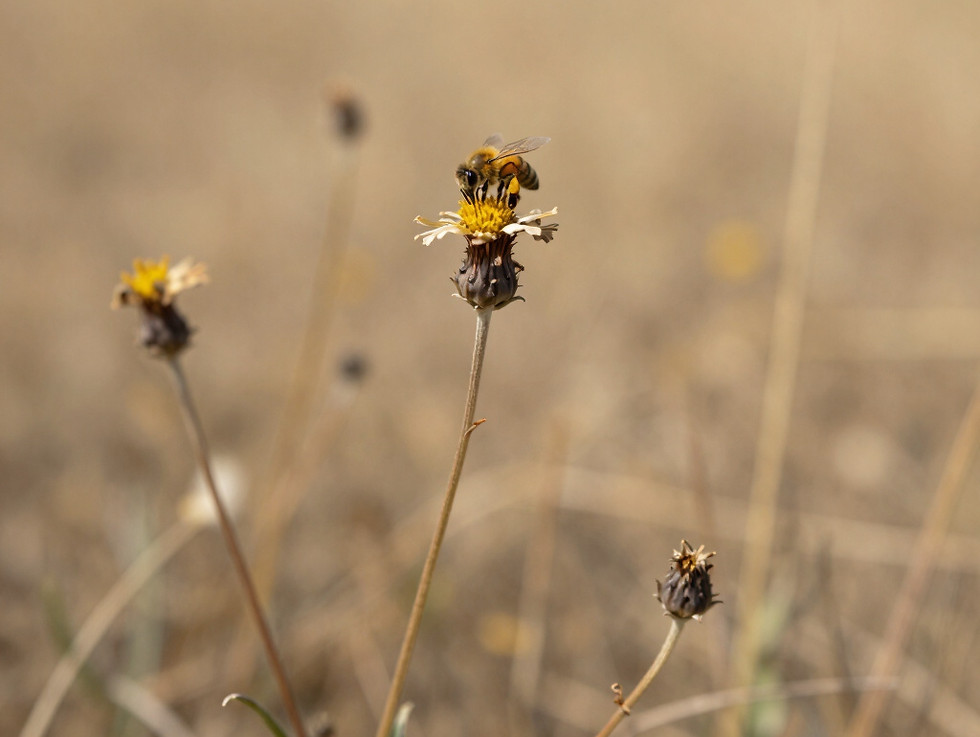
Bees need a steady variety of nectar and pollen to stay healthy and raise strong young bees. When flowers are limited, weather is poor, or the landscape lacks diverse forage, colonies may not get the nutrition they need. Poor nutrition can lead to weaker bees, slower brood growth, and a colony that is less able to handle pests, disease, and winter. Planting a variety of blooming flowers from spring through fall can help support bees and other pollinators.

Harsh Weather
Weather plays a major role in the health and success of a honey bee colony. Long winters, cold snaps, heavy rain, drought, extreme heat, and sudden temperature changes can all create stress inside the hive. Bad weather can also limit the bees’ ability to forage, which affects how much nectar and pollen they can collect. Beekeepers watch food stores, hive ventilation, and colony strength to help bees through difficult seasons.

Pesticide Exposure
Pesticides can harm honey bees when they come into contact with treated plants, contaminated water, or chemicals brought back to the hive. Exposure may kill bees directly or weaken them in ways that affect navigation, foraging, brood care, and overall colony health. Even small amounts can create added stress when combined with mites, disease, or poor nutrition. Using pollinator-safe practices and avoiding pesticide application when flowers are blooming can help
protect bees.
Weak or Failing Queen
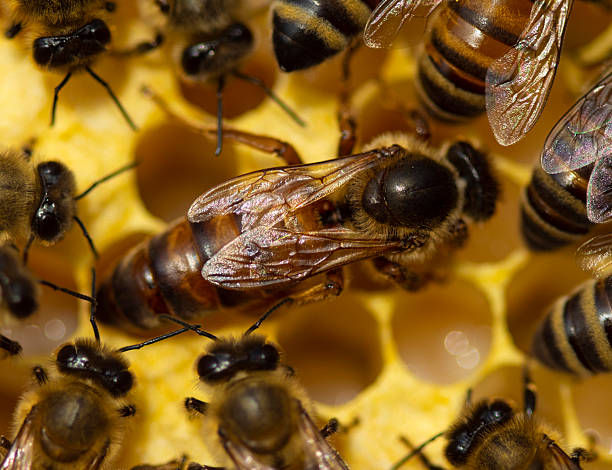
The queen is the heart of the colony because she lays the eggs that keep the hive growing. If she becomes weak, injured, poorly mated, or stops laying well, the colony can quickly lose strength. A failing queen may lead to spotty brood patterns, fewer young bees, and a hive that struggles to defend itself or prepare for winter. Beekeepers watch the brood pattern and overall colony behavior to make sure the queen is healthy and productive.
The specific conditions we monitor for in our apiaries include American foulbrood, European foulbrood, chalkbrood, nosema, and a variety of viruses often transmitted by parasites.
Get Our Seasonal Bee Updates
Join our mailing list for news from the hives, seasonal bee facts, and honey harvest alerts. We keep it friendly and plain-language—just honest updates from our Pennsylvania bees.